


Skip to content
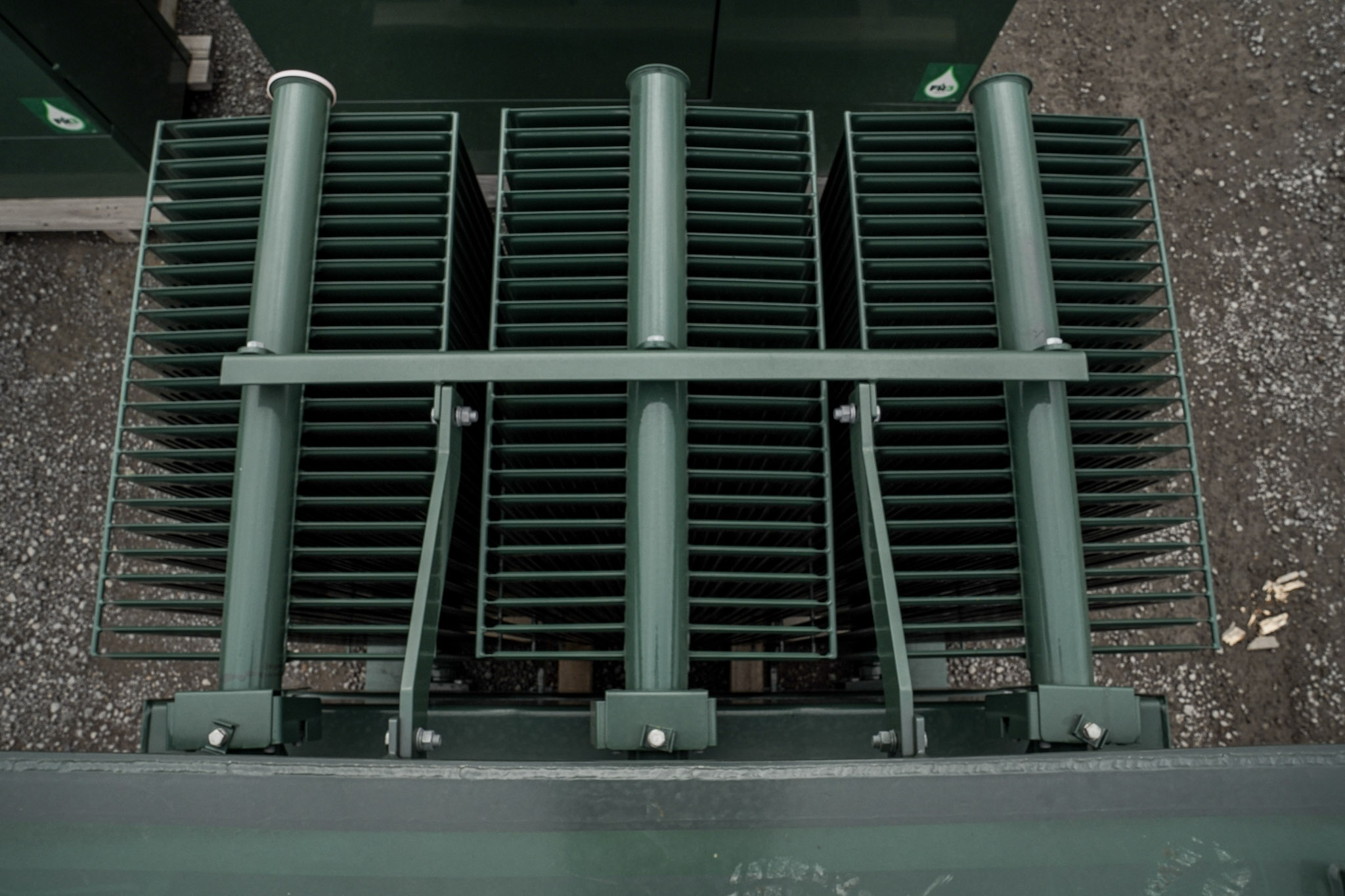
Transformer radiator bank viewed from above
Resources

Transformer Calculators

Practical transformer calculators for estimating current, sizing, and fault current. Use these tools for planning and budgeting, then confirm final equipment selections with a JCL engineer.

Full-Load Current

Calculate transformer full-load current from kVA and operating voltage.

Full-load current
3,007A

kVA Sizing

Estimate the transformer kVA required for a given load current and voltage.

Calculated
2,500kVA
Recommended
3,000kVA
Next standard size at 20% headroom

Available Fault Current

Estimate available secondary fault current using transformer impedance (%Z).

Full load
3,007A
Fault current
52,296A
Assumes an infinite upstream source

Estimates only — 3-phase uses √3. Actual sizing depends on impedance, harmonics, duty, and ambient. Confirm with an engineer.

The math

Calculation Methods

Full-load current
I = kVA × 1000 ÷ (√3 × V)

Calculates the rated current a transformer delivers at full load.

kVA sizing
kVA = I × √3 × V ÷ 1000

Converts load current into the minimum transformer kVA before applying any design margin.

Available fault current
I_sc = I_fla ÷ (%Z ÷ 100)

Estimates maximum available secondary fault current assuming an infinite upstream source.

FAQ

Frequently asked questions

What is transformer full-load current?

Full-load current is the current a transformer delivers when operating at its rated kVA and voltage. It's used to size conductors, select overcurrent protection, and verify that cables and terminations are properly rated.

Start by calculating the required kVA from your load current and voltage, or by totaling the connected load. Then add enough capacity for future expansion, motor starting, and the application's operating conditions. In many cases, the next standard transformer size provides the right amount of headroom, though high harmonic or motor-heavy applications may require additional capacity or a K-rated transformer.

Transformer impedance (%Z) is a measure of how much the transformer resists the flow of current under fault conditions. It directly affects available fault current and voltage regulation. Lower impedance results in higher fault current, while higher impedance reduces fault current but increases voltage drop under load.

These calculators use standard industry formulas and are intended for preliminary sizing, planning, and budgeting. They assume nominal operating conditions and don't account for factors like utility source strength, harmonics, ambient temperature, altitude, or site-specific requirements. Final equipment selection should always be verified by an engineer.

A larger transformer may be appropriate if you expect future load growth, have frequent motor starting, operate in high ambient temperatures, or serve nonlinear or harmonic-producing loads. While oversizing provides additional capacity, it also increases no-load losses, so the goal is to select the right transformer for the application — not simply the largest one.

Transformer sizing help

Need help selecting a transformer?

Share your load requirements and site conditions. Our engineering team will recommend the right transformer for your application.